Author Archives: Anton Takken

About Anton Takken

Unknown's avatar
I chose to focus on estimating for a few reasons. Chief among them was that it's a position that's hard to fill in most companies. Job security and advancement is easier as a result. Unique to this job is a higher vantage point over the company and its place in the market. Bids are generally over in a few weeks which keeps things from getting boring. The reasons few of my colleagues pursue estimating comes down to a few misconceptions. The first is that it's the builders version of accounting - perceived as a lonely and quiet life among the charts and plans. The second is that it's not engaged in the construction process. Lots of the appeal of the construction industry is the sense that individual effort brought a plan into reality. The teamwork and camaraderie present among tradesman seems conspicuously absent at the estimators desk. Finally, I think the last reason is that it's daunting to be responsible for setting the price of something that's never been done. The good news for folks in estimating is that it's much more social than advertised. An estimator's phone is constantly ringing. Taking the opportunity to build relationships with the bidders creates a positive atmosphere and encourages everyone to do their best. It can be too much of a good thing which is why it's common to arrive at their voicemail when you're calling with a question. A strong rapport with the bidders can be invaluable. Subcontractors have much more exposure to what's going on in the market and they're often eager to share their knowledge. Learning from these experts is a priceless opportunity that's often overlooked. More on this in a bit. I decided to start this blog because I noticed that estimating has applications in many arenas. Over the last few years I've helped estimate in fields ranging from software development to blacksmithing! The more I thought about it, the more I realized that it's not about knowing what everything costs, it's about knowing how to figure that out. I believe the very first step to knowledge is to seek it, the second is to retain it, and the third is to pass it on. I hope to share some insights into how estimating is done and hopefully have some fun doing it. My experience is mostly commercial construction, but I'll try to make everything as generally applicable as I can. There are many aspects of business that all markets share yet it's remarkable that one of the most consistent is the failure to recognize that estimating is the very first step to a successful project. So if you're frustrated that work isn't profitable, or exasperated that there's never enough time to get the job done, this blog will be worth your time. Feel free to email me at: estimatorsplaybook@gmail.com

The last hour

I’ve written about the nuances of doing a take off and building an estimate. I’ve written about proposals and addenda. I’ve even written about the hectic nature of a hard-bid deadline and how to cope. One detail I’ve omitted is the process of checking, cross checking, tweaking, adjusting, and refining the bid at the very end.

Why do an estimate if you’re just going to change your mind?

On the surface, it sounds like a decidedly bad notion to take the outcome of so much careful calculation and start moving things around. It’s certainly true that more bids are won and lost due to the final adjustments than anything else. Panic and reason speak the same language, but at different volumes. It can be very difficult to keep your head and make the right call. In that last hour won’t be time to “check everything” in exacting detail. The last hour is the time for sweeping checks through the work looking for anomalies, outliers, holes, and pivots.

Anomalies

Let’s say you got six bids for flooring and the low two were significantly cheaper than the remaining four. A normal statistical distribution would suggest that you’d see competing firms forming a bell curve around the median bid. Two or more “clusters” of bidders suggests that you may have a group of bidders who are not bidding the same scope of work. Keep in mind that its possible for bidders to mistakenly exceed the scope of work.

alpacasweater

“I don’t care what he told you, Sam doesn’t need a sweater!”

This is particularly likely on projects where each phase is bid separately. Alternately, it’s possible the “low cluster” are all missing project scope. Either way it’s imperative to make a decision on who’s right and who’s wrong. Estimating teams who split up bid scoping need to make certain that anomalies are identified early on.

Outliers

These are the low price/high risk bids that everyone thinks of in competitive bidding. The dollar difference between low and 2nd low is the risk. Carrying #2 might cost the win, Carrying #1 might cost you more than their proposal. Adjustments are proportional to the risks involved.

Holes

For GC estimators, this is a scope of work with no bid. Often these occur at trade overlaps with both sides adamantly refusing responsibility. There are fewer “holes” left after scoping if the same estimator is scoping interrelated trade proposals. At a minimum, any trade overlap exclusion should be agreed upon by all affected parties.  Sometimes a mid-pack bid will include the items in question. Bounding the price range of the hole defines your potential risk.

Pivots

The project on paper may fail to accurately convey the necessary means and methods necessary to accomplish the work. Standard unit pricing falls way short of covering the actual build cost on a job that’s phased work, completed at night, in the winter, outside, and underwater. Site logistics, client demands, Municipal requirements, and existing conditions (to name a few) can have a profound impact on bid amounts.

A carefully laid plan coordinated with the bidders can overcome many obstacles, but the unexpected or unanticipated issue can require some quick thinking to quickly handle a pivot issue.

fence sitter

After a while, all fence sitters start to look the same.

For example I once bid on a remodel of a 100+ year old building which was going to require a substantial upgrade to the roof top unit (RTU). The existing structure was getting reinforced in the new RTU location but nowhere else. This building was part of an old downtown development where all neighboring buildings were literally touching one another. The building fronted a pedestrian-only mall and the rear faced a narrow alley and adjoined metered parking lot. Three stories tall, and nearly 100 feet from front to back, the proposed location of the RTU required a crane small enough to fit in the alley, tall enough to reach over the roof, and with sufficient boom length to reach 100′ while hoisting a 12 ton RTU. The city was adamant that there would be no street closure permits for the alley and commercial vehicles were prohibited in the parking lot.

Normally “craning” the RTU onto the building roof falls under typical inclusions for the HVAC contractors.   Understandably, the complexity of getting the RTU into location drove the inclusions, exclusions, and costs of the bids we received. Bidders who were working exclusively off the drawings had no way to know that site logistics were so difficult.

As an estimator dealing with this issue, I knew that it was very possible that a competitor would carry such a proposal in their bid and beat me. Defining the pivot issue, it’s solution(s), and impact(s) on the bid outcome gives insight into what your options are to make a difference.


Putting it all together

The astute reader has likely noticed that all of these factors can be interrelated on a proposal. For example, anomalies can be driven by pivot issues. After all, the RTU example illustrated how the bidders who hadn’t visited the site would tend to cluster at a lower amount than those who had. There’s a lot of moving parts here and the tendency is to focus energies on protecting the firm by going with the least risky option. Estimating is about managing risk, not eliminating it. It’s critical to be circumspect about what’s changing on a micro and macroscopic level.

I call them pivot issues because the entire outcome of the project can pivot based on how that issue is addressed. I lost the bid in my earlier example over that pivot issue. The low bidder excluded specialized craning, and instead wrote a clarification stating that they’d lift the RTU onto rollers placed on the roof at the alley side of the building. Their clarification qualified their bid amount as being contingent on the structural engineer’s approval of their plan.

When I was called in to interview with the client, it was quite clear that they hadn’t consulted with their design team. My efforts to explain why I took a more conservative approach with a historic structure fell on deaf ears because my competitor successfully “sold” his approach as standard practice. I was told we were 2nd low and that the difference between our proposals was so modest as to suggest there was little risk in hiring the apparent low bidder. I knew the craning was a pivot issue worth 15% of our proposed amount, making it unlikely that the bids were as “close” as the client claimed.

not amused

You could say I had some doubts.

The lesson here is that my competitor hedged the real cost difference of craning the RTU in properly. If their proposed approach was accepted, they’d be rewarded handsomely. Conversely, they took a calculated risk in bidding less than the “worst case” scenario where they’d be obliged to crane it in should the design team shoot down their clarifications.

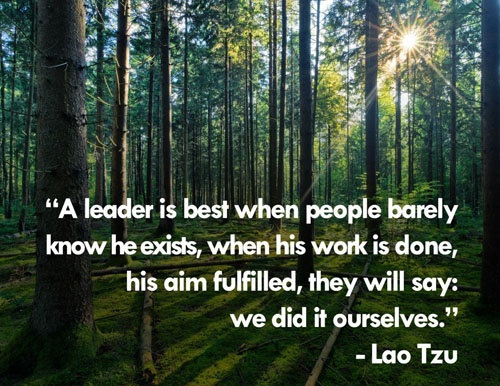
The difference in bids ultimately came down to how we managed the risk. It’s too easy to see an issue that impacts 15% of your bid as a do-or-die proposition. My competitor simply looked at all the influential factors and considered a very important question; “What will my competition do?”. Knowing that answer, the next question becomes; “What can I do to just beat their bid?”. Suddenly a 15% pivot issue becomes a calculated 3% risk. The only way to see these opportunities is to keep your head up and view the issues as strategic elements. Nose to the grindstone bidding won’t brute-force your way out of losing to a deft tactician.

If everything is about reducing the risk of winning a job, nothing will address the risk of losing the job. Lots of people convince themselves that losing work by a small amount is just unlucky. The thing about “lucky” people is that they tend to be observant and optimistic about the opportunities they see.

Beware the spiral

Every company is going to have efficiencies of scale that make some range of projects more profitable and less risky than work outside of that range. Companies seeking to grow will continually face projects with demands that push estimators into uncharted waters. If a normal project requires a flood of manpower in the last quarter to complete, will your firm be able to adequately staff that situation when the job is several times larger than average? If not, what will it cost to hire staff to make it happen?

Materials are often viewed as a “pass through” cost to the job without much consideration to the supply chain. Doubling or tripling the size of an average project may require working with unfamiliar distributors, suppliers, and so forth. What worked for the small project won’t necessarily “scale up” to the large one.

It’s not uncommon for huge projects to have subcontractors with more dedicated project management staff than some general contractors have employee’s!

Taking these factors into consideration, an estimator bidding a big scary job may find themselves piling money into the bid trying to contain the risk. Every issue becomes an excuse to add money until the job becomes unwinnable.

OKAY

Optimism and company growth quickly lose out to fear of the unknown. Lacking experience, bid results, and market research, an estimate becomes little more than the opening ante of a gamble against yourself.

The way to avoid this whirlpool of self-destruction is to be more careful about what you bid in the first place. Whoever is working on marketing efforts, may not be aware of how much a given project is really worth. Quick conceptual figures at the go/no-go stage help communicate what you’re up against. Marketing shouldn’t be simply solicitation, it also requires market research. Huge gaps between conceptual and market prices indicate a need to re-evaluate what you’re doing compared to the competition.

Taken seriously, it should be possible to define where the differences are and what that means to your bid practices. Some GC’s do practice estimates on publicly read bids. There’s potentially a great deal to be learned from this however it’s important to understand that it’s unethical to solicit subcontractor bids under false pretenses. Subcontractors who are bidding anyway may be willing to send you a copy if you’re honest. Earning a reputation for honesty will get you better pricing when you’re really competing anyway.

Big picture

There’s a final point of consideration left. The big picture of how this project fits into your firms future. Often its sufficient to say “it’s like all the others that went well” and let it go at that. However there will come times that a job will start or end at precisely the wrong time relative to work you’re already contracted to do. It can be devastating to a firm’s reputation to falter at a critical point in the project simply for lack of resources. Winning one too many jobs can create pinch points between jobs where it’s simply not possible to please everyone at the same time. This balancing act is particularly difficult when client-driven delays push anticipated start dates back until they collide with other commitments.

Seasonal rushes create pricing trends where market price is driven primarily by the risk of over-commitment. It would be more forthright to simply decline to bid work when you’re too busy, but politics often hold sway. During slow markets, clients enjoy freedom to delay projects without cost impacts because contractors are fearful of losing the work. These clients are well advised to be cautious since the penalties for delays during boom times can be severe.

Closing thoughts

I was once talking with the owner of a GC about the rising pressure in the final moments of a hard-bid. He surprised me by saying that he thought the total bid amount didn’t change appreciably in the last sixty minutes. His opinion was based on the assumption that most of the useful subcontractor bids had already come in by that point, so it was mostly reviewing late bidders in desperate hope of finding a new low sub. He even posited that a printout of our current estimate an hour from deadline would be virtually the same as our final number. I tested his theory and discovered that in some cases the dollar amount was similar, however traction we’d gained in terms of knowing what would decide our fate was profound. Big price changes in that last hour were driven by a change of plan made necessary by what we’d learned. Clearly the bid price was driven by more than just the sum of subcontractors quotes!

Generally speaking, once people have been told what to look for, they tend to think the problem was more obvious to everyone than it really is.
sucks

See there’s your problem.

As a result a subcontractor proposal or email message may come through with a little comment on it that exposes a profound insight into an issue. Estimators need to be more flexible and nimble than an orderly spreadsheet would suggest is possible. Opportunities and hazards may quietly present themselves with little time to react. Have faith in your work, and use your best judgment. That last hour of a bid can become the final strokes of your masterpiece.


For more articles like this click here

© Anton Takken 2014 all rights reserved


Proposals – How to make yours a winner

There are many schools of thought when it comes to proposals. Some estimators feels that a long document with extensive terms and conditions will insulate the firm from litigation. Other estimators prefer a more simplified proposal. The extremes range from an emailed dollar amount to a multi-page proposal. Good proposals strike a balance between brevity and controlling risk. This article will focus primarily on proposals for projects that don’t require specific bid forms.

Getting started with the ITB

Start with the objective of a proposal. The proposal is a contractual instrument submitted in response to an Invitation To Bid (ITB). Therefore much of what must be in the proposal will be addressed in the ITB. An estimator working for a General Contractor (GC) receives the ITB from the client or their design team. An estimator working for a Subcontractor (Sub) receives their ITB from the GC’s bidding the job. Something many GC estimators should consider is that they can include the clients ITB with the plans and specifications they distribute to the subs. There are a few concerns to be aware of. If the GC’s are trying to solicit early bids, the ITB will reveal the real deadline. Subs that are concerned about bid shopping will release their proposals just before the deadline to prevent the GC’s from having time to share their bid with competitors. Giving them the GC’s real deadline all but ensures that there will be no time to review their proposals before the deadline.

just right

Mort will look you right in the eye as he’s doing it,  he just doesn’t care.

Another potential concern is that some ITB’s list the pre-qualified GC bidders. Subs may send proposals to competing GC’s if this information is shared. Savvy GC estimators will include the pertinent information from the client’s ITB onto their own subcontractor ITB form.

The high points

Every proposal should be done on company letterhead with the company’s name, address, and phone number prominently displayed. The client, project, and project address should also be included. On small and simple projects, it may be reasonable to list important exclusions and exclusions along with the bid amount. More complex projects benefit from a scope narrative which helps to define how the project will take place. Often clients will request a schematic schedule or an anticipated duration on the ITB. Be careful about the differences between working days, business days, and calendar days.

Important factors

When your client receives your proposal, they are primarily looking for the cost. Public bid openings will generally read the bidder’s total along with a cursory check that the bidder has included all relevant construction documents before announcing “apparent low”. Some bidders place the final total at the back of the proposal in an effort to lead the client through their presentation of the project scope. Other bidders place the total in a summary/cover page with their narrative, schedule, etc. to follow. There are successful bidders using both methods however there are a few things to keep in mind.

Make it easier to use

Templates should be developed to ensure consistency, quality, and speed. Many companies fail to consider how difficult it can be to edit a multi-page proposal. Subtle items like monetary notation can encourage errors. For example, let’s say the proposal reads “We are pleased to present pricing for the Rutherford project. Our base bid proposal is Five Hundred Fifty Three Thousand, Two hundred and Two dollars ($553,202.00).” Spelling out the monetary amount involves typing ten words against typing eight numbers. Last minute changes may affect your base bid amount. A template that uses spelled out monetary figures and numeric figures greatly increases the odds of a typo.

Beyond typo’s, many word processor programs are plagued with formatting issues where page breaks are awkward or inappropriate. Considerable time get’s spent trying to move things around so the printed documents are properly formatted. Standardized templates built for quick data insertion are a godsend. Entering “$XXX,XXX.XX” as a place holder for a monetary amount allows the template to be formatted before the bid. Highlighting any placeholder text speeds the estimator through the template, adding last-minute information as needed.

Separate the dynamic from the static.

In some cases, it behooves the company to develop separate files for the summary, narrative, inclusions, exclusions, schedule, etc. Having all the sections within a single file document means the estimator will need to flip through many pages to make changes. Items like the narrative and the schedule are unlikely to change on bid day, however the summary and exclusion pages will almost certainly be modified several times. At a minimum, group the sections according to how likely it is you’ll need to modify them.

Put it all together

Regardless of how many files, programs, or pages you end up with, it’s good practice to consolidate the proposal into a single file that’s small enough to email. Whenever transmitting files, it’s good practice to use locked files visible through a free “reader” version of popular software. Many free programs exist which allow a program “printer” to be installed which allows the user to “print to the file format”. Scanners are another option provided they output to the desired file format. Image file formats native to one operating system should be avoided because they are cumbersome and can create formatting issues when printed on the client’s computers.

A proposal is not a contract

Consider how the proposal feels to the client. What does twenty pages of “boilerplate” communicate to the client? If the client provides a sample contract in the specifications, your firm’s boilerplate may have absolutely no bearing on the final contract terms. Some clients choose to sign a proposal and forgo a contract. In those cases, it could make sense to have a proposal that adequately covers contractual obligations, remedies, and so forth. Small projects for informal clients are more likely to go this route. Generally speaking it’s a better course of action to use a proper contract form, than to rely upon a proposal or a handshake.

A proposal and a contract are separate instruments. Combining the two is false economy. Contracts may be subject to negotiation after the notice of award, or notice of intent but there’s no guarantee. If the contract terms are unreasonable you must ask questions about them BEFORE THE BID. If the terms are still unreasonable, don’t bid the job. Tacking on your firms terms and conditions to the proposal is not likely to change anything when the contract is part of the construction documents.

Contingency

Local tradition and corporate culture often define how and when a contingency may be applied to a proposal . Those in favor of contingencies point to the relative ease in which initial changes are addressed to get the project off and rolling. Those opposed look at a contingency as the dollar value of the firms inability to build to the plans. The fact remains that very few jobs are built without change orders. Whether the local tradition is for the contractor or the client to carry the contingency is irrelevant, it’s good practice to admit that construction projects have risk to be accounted for. Be advised that contingency is an easy target for client frustration. When comparing two similar proposals, the bid with lower contingency may appear to be more confident or competent.

Velociraptor pony

Now that’s a a guy who get’s things done!

Convey confidence

Does the proposal read well? Clients may not share your passion for how things come together. Long and pedantic narratives with trade-specific jargon aren’t likely to speak to your client. Ask yourself what the client is looking for. The client is excited about their project. They want to know that challenges are well met and that the build team is imminently capable. Weasel wording, artful dodging, and avoiding accountability will immediately raise alarms with experienced clients. Honesty builds trust, trust supports confidence. Many clients get their very first impression of your firm by reading your proposal, don’t try to sound like a lawyer, an auctioneer, or an encyclopedia.

Times where less is more

Laundry lists of inclusions are easy to generate for an estimator however they may create the impression that anything not explicitly listed is omitted. More general and sweeping inclusions can create a sense of competency and completeness to the proposal. Inclusions should attempt to bring particular focus to easily missed items or to costly items that are driving your price. Many clients compare competing proposals, so write inclusions with the intention of exposing items your competitor may have omitted.

Conversely, if you’ve found a good idea that saves money on the project without affecting the scope or quality of the work, it may be wise to keep mum about it. Unscrupulous clients may share your good idea with a competitor.

Inexperienced clients may prefer long proposals to better assuage their anxieties. A proposal is a sales tool, so it’s smart to tailor it to the client’s needs. Be cautious about generating questions or presenting extensive options with an inexperienced client. Many estimators treat an inexperienced client as though it’s perfectly normal to have a myriad of options available to every possible concern. This overwhelms the client with immaterial decisions that serve to delay contract award. Some issues are significant and must be addressed, others are flights of fancy. Keep the client on track by staying on topic. If the client wants to change direction, they should consult their design team who’s not as bashful about charging them for changing their mind.

Everything in business is about time and money so every price quoted needs an expiration date. Be sure to specify when your quote expires because you may need to revisit your pricing if the award is delayed.

Times where more is more

Not every set of construction documents will be a pleasure to work with. Incomplete, conceptual, or incorrect construction documents generate considerable risk to the bidders. Every effort should be made during the bid to secure answers to significant questions about the scope of work. Nevertheless there will be times that the estimator must protect their firm against a risky job. Simply excluding some scope of work on the grounds that it wasn’t well-defined is common practice. Depending on the project and the issue, an exclusion may get your bid disqualified.

For example, let’s say a project bid to remodel an existing office building. The plans include key notes calling for demolition of existing however no demolition plan or narrative was provided and there was no job walk opportunity. RFI’s seeking photographs, narratives, or job walks to verify existing conditions went unanswered. What do you do? Excluding demolition is likely to get you disqualified since it’s obvious that it will be necessary to do the job. Adding money to your proposal to pay for demolition may make you uncompetitive. In this case it’s wise to consider what you know. If the office building is occupied, then figure on a complete demolition of a typical office space. Items like hazardous waste, or salvageable materials need not be considered because “worst or best case” scenario’s are not “typical”. You could define the issue in your inclusions, along with a budgeted amount to pay for it. Depending on the situation it may be appropriate to note the RFI that went unanswered to prove your diligence.

Be wary of presenting too many solutions to design problems. Every price you provide may be used against you when unknown details are later revealed. Remember that the design team is paid to solve design problems and diplomacy is important to protect your interests. If you provide an allowance, expect to provide accounting for its dispensation and remuneration to the client for any unused portion. Many clients feel any profit on an allowance is unfair so bid accordingly.

Advice to subcontractors ; make it easy on the estimator

GC’s are reading subcontractor bids at 90 miles per hour. The estimator needs to have a solid subcontractor proposal for every scope of work. Once they have the entire project accounted for, they will pursue potentially cheaper subcontractor proposals. Time is of the essence for the GC, they may not have time to review every proposal coming through the door. Only those that seem lower than their apparent low proposals will get priority. It can be a big advantage to be the first apparent low since there may not be time for the estimator to review competing bids.   Easy to read and understand proposals are more likely to be scoped. Anything that smacks of a “gotcha” issue may send your proposal to the bid room floor. Put THE ESTIMATORS name and direct phone number in a prominent location. If the GC need to call with a question, they’ll absolutely hate losing time to a receptionist or dial by name directory.

dogerator

“Please put your estimator on the line….bad dog!…Bad dog!”

Given the choice, the GC estimator will avoid calling time-wasting companies. More than once I have had only enough time to make one call before the deadline. It’s a simple thing that lots of companies do wrong.

Speed reading vs. the checklist.

Long, drawn out proposals are slow to read and inevitably hide important information in blocks of unnecessary text. The only thing worse than a proposal with chapters is a checklist. Some subcontractors use a checklist/matrix where they list out standard inclusions and exclusions by row. Columns carry an icon to designate if it’s included, excluded, not applicable, or whatever. These are immensely irritating to read and interpret. It’s possible the idea is to speed up bidding by having a template that’s quick to fill out. Whatever time it saves the bidder, it costs twofold for the GC. Trying to read through thirty odd items that aren’t applicable looking for something important is very frustrating. It’s a bad practice that needs to end. For every “gotcha” victory claimed for the checklist, there’s an estimator quietly removing a bidder from the invite list.

Understand the default conditions

If your proposal isn’t furnishing and installing some scope of work, it should boldly declare “Material only”, or “Install only”. The default understanding is that a subcontractor proposal is to furnish and install everything for that scope of work.  Fire alarm subcontractors often exclude conduit, back boxes, and pull strings even when they claim “turnkey” on their proposals. Often the bidders perspective is that “it’s always done this way” so they believe it’s their clients responsibility to address their shortcomings. This prima donna behavior is common among semi-autonomous trade retailers like Fire Alarm, Elevators, Kitchen Equipment, Pre-engineered building manufacturers, and office furnishings. These proposals generate additional risk with their confusing and duplicitous presentation. In some cases the shoddy proposal’s risk is high enough to merit hiring the second low bidder.

Some subcontractors refuse to include taxes on their proposals “to simplify” matters for themselves. Taxes may be complicated, but they are certainly not optional. Professionals should understand that whatever is required to actually do the job should also be included in their proposals. This potentially includes taxes, permitting, insurance, bonding, licensing, cranes, freight, and so forth.

airlift dino

Material handling, rooftop delivery… you know, standard stuff.

GC’s are understandably frustrated by subcontractors submitting bids missing obviously necessary items. Laying such a trap may backfire on you. If you don’t bid to the default conditions, the default decision may be to scuttle your proposal. Some GC’s will write contracts in full reversal of proposal exclusions like taxes that they view as entrapment. Attempts to “red-line” their contract or add to the bid-day amount typically end with a simple choice; do the job by their contract or be excluded from all future work.

Unit price your way out of a job

Some subcontractors submit proposals with unit pricing that goes on for pages. Concrete work is particularly given to complex contracts because companies often specialize in only site concrete, flat work, foundations, and/or rebar without consistently providing the materials. It may require the GC to write a half-dozen or more contracts pertaining to concrete alone. Long and detailed unit pricing forces the estimator to do dozens of calculations to answer basic questions. Many of these bidders feel that sharing every detail of how they arrive at their proposal will obligate the GC to accept any errors or omissions they failed to correct.  This is trying to avoid accountability for their takeoffs which is unprofessional and indicative of a high risk proposal. Many times a professional bid would arrive with a single price to furnish everything necessary for all the concrete on a project. Often, after hours of calculations involving lots of bidders, the net difference between that professional’s amount and the cobbled blend of partial-proposals was very slight. That meant that even if the professional was more expensive, they were less risk and therefore better value. Partial scope bids communicate that the bidder has focused on exercising their limitations instead of their abilities.

Unit pricing everything enables the estimator to take incomplete competitor bids and accurately plug the gaps. This may leave the unit pricing subcontractor with only small, and unprofitable portions of a larger project.   Any unit price you provide has the potential to be used against you not only for contracting, but for change orders as well. It’s less risk to use a unit price bid for smaller scope of work.

Good proposals lead to easy contracts

Subcontractors must understand that a proposal is a promise to tender goods and services for the project in exchange for a stipulated sum.  The scope of work needs to be done per the construction documents, period. GC’s write contracts in broad encompassing terms like “all flatwork” , as opposed to listing the square footages of all flatwork on the project for that reason.

The estimator wants to know you’ve got everything and they want to know if it’s install only, furnish and install, or material only. If you’re providing those options, simplify to sitework, flatwork, and foundations.

Don’t hide exclusions

Every bid is based on its exclusions. Bids that are “shy” about presenting the exclusions take longer to scope. Long subcontractor proposals are especially prone to concealing exclusions. The estimator may be in a terrific rush to scope bids. As the deadline approaches, the amount of time they can spend reviewing a bid that’s not apparent low diminishes. It’s possible that your list of inclusions and exclusions will cause the estimator to revise their apparent low. Making your bid easy to read and understand is pivotal towards snagging such a success. GC estimators are often very thankful for your professionalism which builds trust. That trust may bring new opportunities.

One page

Opinions differ however the vast majority of subcontractor proposals are a single page. A well written proposal does not improve with higher page counts.   Some companies require a hard copy of every proposal in the bid book. A one page proposal with four pages of boilerplate means more time at the printer and less time deciding if they’ll hire you. Estimators get plenty tired of reloading the printer. Do them a favor and stick to one page proposals. Some bidders will email two files, a one page proposal and a standard terms and conditions packet. This is one way to meet corporate requirements for boilerplate without irritating your client. Be sure to put the estimators name and phone number on every page. Wherever possible put the bidders direct phone number to avoid making clients call the main number and get transferred.

Final Thoughts

The proposal should be attractive, professional, easy to read, and informative. Photo’s and images on the proposal may not print or photocopy well. Digital watermarks may appear nicely on bonded stock but obscure the writing on cheap copier paper. Formatting needs to be based around standard 8.5″ x 11″ paper because not everyone will have legal paper stock in their printers. Provide enough open space on your proposal to make the writing easy to read. Landscape printing is not appropriate for text portions of proposals but has applications for schedules. It can be difficult to read a landscape printed page that’s stapled to a portrait printed packet. Every page should have your firm’s name, the project name, the page number and your phone number on it. It’s easy to miss a printed sheet in a busy office. Lots of packets get dropped before they’re stapled. Make it easy to assemble, collate, and verify that they’ve got the entire thing.

It should be obvious but run a spell check and have a colleague check your grammar. This is not the time to appear unprofessional. Clients may share your proposal with their colleagues, design professionals, even your competitors. Make sure that your proposal reflects well on you and your firm.


For more articles like this click here

© Anton Takken 2014 all rights reserved


Production rates and why there’s never enough time.

There are two questions that estimators work to answer for every project; how much? and how long will it take?  We’ve all heard that time is money so it should come as no surprise that winning and losing often comes down to estimating time.  Over the last year I’ve had unique opportunities to help people in areas as diverse as software development and ornamental blacksmithing!  I’ll be writing from a General Contracting perspective but keep in mind that the practices are applicable across disciplines.

The great frustration with estimating time is that despite heroic efforts to include everything, there never seems to be enough time.  Trade specific knowledge is difficult to distill into workable numbers for an estimator let alone a manager.  Interdependency across different trades creates delays and complexities that further obscure any concise perspective.  The  United States Navy was instrumental in developing the Critical Path Method (CPM) of scheduling.  This was created to allow people without trade specific knowledge to create schedules that maximize efficiency.

Production rates and why there's never enough time.

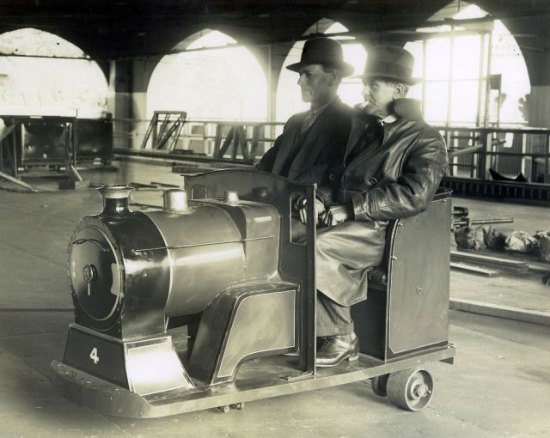
To be fair, not every Navy idea has panned out…

Order of operations

Up to that point, the majority of projects progressed according to local customs and tradition.  Generally speaking the trades proceeded more or less single file through the project.  Since Trade A had to finish before Trade B could begin, every delay in production, delayed the entire project.  By approaching the project as a group of related tasks, it was now possible to have certain tasks completed “out of sequence” which had the profound effect of not only reducing the project’s duration but also reducing the impact that individual delays had on the whole.   A good example of this is having a door painted offsite before its installed.  The painter can complete the task more efficiently and with more schedule flexibility.

Critical path

There will always be a list of tasks that have relationships to other tasks such that the completion of one is a prerequisite for the other. Adding up the duration of these sequential tasks gives the shortest project duration.  Laid out over time, these tasks are referred to the “Critical Path”.  Any critical path task delay causes an equal project delay.  To the estimator, the list of critical path tasks should be as short as possible.

For lots of folks estimating self-performed work, this is where they think they’ve covered everything important.  So now they start ball-parking their production time for each item on the list, they slap a generous hourly rate on that and call it a budget.  Here’s why they fail.  First off it’s absolutely critical to understand that for most professionals, there is a lot of time spent doing something that isn’t pure production.  I had a job where my phone rang upwards of 100 times a day.  When someone’s interrupting you an average of once every 4.8 minutes, it doesn’t make sense to figure you can EVER get full production, but people do it all the time.  Weekly meetings are an easy example.  One to two hours banked on either side with preparation for the meeting, and digging through all the stuff that piled up during the meeting easily amounts to half a day’s lost production every week.  All of which is beside the point that in most companies, you can’t finish one project before you must start the next.  Both projects lose production as a result.

So people aren’t making full production,  we’ll just tack on a multiplier and cover for that, problem solved right?  Not even close!  Just as it’s easy to see interruptions make project’s run long, it should also follow that better staffing, tools, techniques, planning and execution can speed things up.

Production rates and why there's never enough time.

Bigger’s better right?

However there’s an unfortunate tendency for companies to underestimate the time so they compensate by dumping money and resources into the job.  With rare exception, the final tally isn’t profitable.

Think of it as a long distance race.  Lots of spectators cheer the final sprint but the victory happened earlier in the race by setting a pace that wore down the competitors.  Sprinting isn’t an endurance runners forte so they need to capitalize on their strengths with a solid plan.  Construction projects aren’t much different.  Work is more easily done right initially, than it is corrected at the last-minute.  Flooding problem projects with material and manpower is a great way to consume resources and reduce productivity.  It looks busy but if the project went sideways due to a lack of planning, or leadership, you can’t reasonably expect the same plan and leadership to improve.  Personnel and politics aside, what’s needed is a rescue team with its own plan, resources, and leadership.  Sad to say, it’s pitifully common to hear “We don’t have time to discuss a plan, just send people to get the job done!”

Most bids don’t include a project bail-out.  Dumping manpower on-site rapidly consumes man-hours you don’t have.  Poor oversight tends to push the bail-out towards the end of the project cycle, right when the remaining man-hours are dwindling.  It’s really important to see the link between a good leadership and reasonable production. “Boring” jobs that happen without the dramatic rushes are often the result of good leadership.  Heroic 11th hour efforts in the wee-hours are often traceable to shifts earlier in the project that didn’t make wise use of their time.

Losing out on what you could be doing

Opportunity Cost is a term economists use to describe the cost of an alternative that must be forgone in order to pursue a certain action.  In monetary terms it’s easy to understand that we must often choose which thing to buy because we can’t afford them all.  In terms of time we may only have enough time for one task meaning you complete one at the cost of completing another.

Let’s say a project will require specialized or custom tooling to make it efficient.  The time invested in making that tooling is not being spent directly producing for the job which means that production rate is actually negative.  If that specialized or custom tooling is made to work on more than one project, the investment is much more profitable.  In general, the earlier the investment is made the more likely it is to pay off.

Constantly improve your tools

When I’m looking at my bid schedule trying to figure out how much time it’ll take to bid a job I make sure to include a bit of time for “tool development”.  I consider any repetitive task to have potential for simplification.  Whether it’s streamlining how I enter data into templates or building a better spreadsheet to track trends in my market, I’m always working on some tool to make my job easier.  This is absolutely necessary because every year I’ve needed to bid more jobs in less time than the previous year.   Without the better tools, I could never have done that.

Production rates and why there's never enough time.

If you look closely, you’ll note I’ve made a few tweaks to last years model…

So production rates need to be broken down according to pace, opportunity cost, and available resources.  This allows a more exacting and granular methodology to estimating specific projects.  Going through the exercise to define each task, it’s duration based on individual production rates, will provide some meaningful feedback about the strengths and weaknesses of your company.  Take the total hours or days of production and add the lost time for predictable interruptions and tool development.  This new total is likely much longer than you’re used to.  Repeating the exercise with a significantly different project will show differences in projects that make your company more or less efficient.  Very few estimators really look at work with an eye towards what will make them more competitive in these terms.

Putting rubber to the road

Theoretical production rates are only as good as their real-world validation.  Make certain that you’re following up on projects to see how things are turning out.  Be aware that feedback may be influenced by personalities, job peculiarities and so forth.  Look for over-runs and short-falls as indicators of where adjustments must be made.  Be careful not to start an audit “witch hunt” or you’ll quickly lose project manager cooperation.

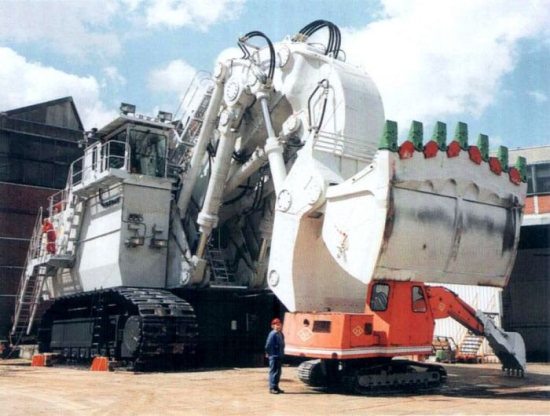
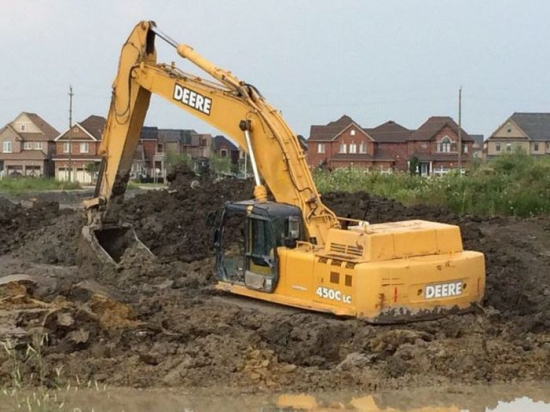
Managers will have widely different perspectives on what constitutes “normal” production.  Consider the source and be wary of emulating leaders who require regular project “rescue” with extensive overtime, double shifts, working weekends, and so forth.  Be advised that people’s experience colors their expectations profoundly.  For example, Managers with lots of experience doing interior remodel projects may be inclined to allow earth-workers to blow past their deadlines because they may see the interior portion in greater clarity than the site development.  Many jobs are “stuck in the dirt” for far longer than they should be resulting in compressed schedules for all the other trades.  Get the big yellow beepers out of the way on time or expect to pay for it later.

An estimator needs to bridge the gap between competing at market value and accounting for corporate or company culture.  If your firm won’t “buy off” on your plan and faithfully execute it, your schedule amounts to a fictional account of what might have been.  Estimating is the first step to a successful project.  Make sure that your work is grounded in realistic expectations of what your firm will do.  If you believe you’re losing bids because of outmoded thinking, it’s time to have a meeting with ownership to discuss it.  Be patient, respectful, and listen, experience is hard-won wisdom.  Don’t forget that you’re representing the skills these people bring to bear on the projects you bid. Change can be slow, inconsistent, and frustrating for all concerned. If this was easy, there’d be someone else doing it!

Beware of the blind Oracle

If you’re using software systems with default production rates, it will likely become necessary to adjust the final outcome according to the situation at hand.  A word of caution; it’s very easy to make a mistake when you are adjusting an estimate.

For example let’s say you’re bidding the paint on a building using a software program and it’s come up with a total for all the painted surfaces.  However there is an architectural feature which will require several color changes within a single small area.  That feature constitutes 10% of the total square footage of painted area in your bid.

Looking at the feature you may decide it’s twice as many color transitions as a normal wall so it’ll take twice as long. 2 x 10% = 20%.  Lots of people would multiply their software’s estimate by 1.2 and promptly lose that bid.

Production rates and why there's never enough time.

At least you looked good doing it!

Hitting the skids

This is wrong for several reasons.  The labor and material to paint that feature as a “normal” surface was already included in the original software estimate.  The software estimate is short approximately 10% on labor only.  There shouldn’t be any impact on materials, job billable costs, or overhead. Using really general averages, about 50% of a bids’ root cost is labor or material.  Job billable stuff and overhead clock in around 10% for a lot of jobs and profit’s somewhere around 5%.

That means that the outcome of a 10% labor-only addition renders a 4.3% bottom line bid increase.  The mistake from earlier would have blown the bid by 15.7%!  That’s nearly four times the adjustment that was needed.

Create a schedule to determine production rates

Thus far I’ve been addressing production rates from the perspective of a self-performing contractor.  For the General Contractor that subcontracts all or most of the production the picture is less clear.  For starters, the General Contractor typically creates the construction schedule based on client demands, and market competition.  In many cases, the bidding subcontractors are expected to provide pricing without a schedule.  Generally the anticipated start and end dates are provided, obviously this is not ideal.  The R.S. Means Building Construction Cost Data is one resource to provide an estimator with production rates for trade specific work.  I recommend building a rough CPM schedule and consulting with experienced Project Managers.  Keep in mind that PM’s that are on time and on budget are better resources than PM’s that haven’t had many successful projects.  Paralleling non-dependent tasks may be a break of tradition or local custom.  It may also shave time enough to eke out a win.  I found that I could often get bid deductions from subcontractors for a guarantee that they would only have two job site visits (mobilizations). I had to accept responsibility for ensuring that the PM honored my commitment to them.  Wherever possible, it’s best to discuss this with the PM beforehand.

Ask questions

I encourage GC estimators to leave arrogance at the door and simply ask their bidding subcontractors what time they’ll need for unfamiliar scope items.  Subcontractors are experts with valuable information to share but they need to be asked.  The more challenging a project schedule is, the more certain you must be that you’re working with good information.  One word to the wise: be responsive to subcontractors.  They’re calling for direction; it’s your job to provide it.  Estimators that dodge this obligation are effectively telling the subcontractors they aren’t trustworthy.  Since estimating is about controlling risk, it follows that a subcontractor that doesn’t trust the GC will insure the risk of doing business with them by raising prices.

Don’t waste time

After all this careful calculating of production rates, I hope you’ve come to respect the investment entrepreneurs make in their local markets.  Very few people in the construction industry can really spare the time to do favors, answer questions, and generally add something meaningful to the workplace around them.  Busy work, or nonsensical requests shouldn’t be passed down the line simply because they were passed to you.  Remember that you get more of whatever you encourage.

I once had a client who would send dozens of emails an hour asking increasingly inane questions.  Every reply netted another question.  I took a moment and called the client who asked with some surprise why I’d called.  I politely said that seeing so many emails in such a short time led me to believe I needed to try harder for my client.  By making the communication personal, I reinforced the connection between client questions and my labor.  I suspect the client was a bit embarrassed by the attention but nevertheless left the call feeling respected and has since been more respectful of my time.

I’ve heard this approach called “aggressive hospitality” in the retail industry.  At some point, it will be necessary to find a way to get back on task.  Bidding often induces a frenzy of questions, alternates, and conferences.  There’s a tipping point between helping your client and hurting your firm.  It’s your responsibility as a professional to be effective in maintaining that balance.  Good opportunities seldom come from bad relationships.

A lot of otherwise good relationships are made bad by dithering, capitulating, and indulging in flights of fancy.  There’s nothing wrong with bringing focus to a client and/or design team’s concerns.  Crossing bridges when you come to them helps keep the project on track and avoids delays.  Many good-intentioned people brainstorm on things that could go wrong during meetings, you can use these opportunities to reinforce the necessity of executing a well laid plan so that you’re able to apply resources to actively solve real problems.  You’re a professional that handles construction challenges, not a client support group, or a design-team cheerleader.  Rising above the fray to “direct traffic” helps ensure that the Client, Design team, and the Build team have productive meetings that decide, delegate, and direct resources properly.

Production rates and why there's never enough time.

For more articles like this click here

© Anton Takken 2014 all rights reserved


Relationships and their place. Push vs. Pull

A quick view of most advertisements for the construction industry will reveal a few consistencies in how they perceive their client and their product.  Trite sayings hinging upon “building relationships” abound in construction advertisement.  Taken out of context, these same marketing efforts would have more in common with personal ads than custom manufacturers.

What would you say you do here?

Most General Contractors in the Commercial market do not self-perform the majority of the work.  In point of fact, they’re called General Contractors not builders because administering contracts is really what they do.  As a result most of them lack substantial focus on what they’re really there to do which is to faithfully execute the design according to the contract.  This means that the subcontractors are where the “rubber meets the road” so to speak since the subcontractors are the ones actually building the job.  Interestingly, few if any General Contractors make mention of their relationships with subcontractors when promoting their company.

Luxury car makers don’t advertise the special relationship they have with their clients.  They emphasize that they make the best car,  period.  Construction companies seem loath to admit that they  build what is designed; they don’t get to choose the level of quality, aesthetic appeal, or social prominence of their projects.

Relationships and their place.  Push vs. Pull

“Dang it Carl, I said move the Church AFTER the wedding.”

Put your back into it.

So what is a client getting when they call a GC?  Mostly they’re getting risk management, project control, contract administration, and subcontractor “pull”.  “Pull” in this sense is the market value of that particular GC to any given group of subcontractors.  GC’s with a reputation for not paying their subcontractors have less pull than better GC’s.  There’s a lot that goes into your pull.  For example, if a GC has been on a losing streak, they’ll lose pull with subcontractors.  GC’s that chase bad clients will lose pull with subcontractors.

Bringing focus back to estimating, the amount of pull you can generate has a lot to do with how you handle your bids.  For most subs, the only thing they have to go on is how you communicate with them.

Like a lot of things in life, it’s the outcome that matters not the intent.  Some folks get hung up on sending everyone the exact same message, without actually pausing to consider how that reads to an individual.

Bid invitations are a good example of this.  It’s fast and uniform to send everyone on the bid list the exact same message.  Often these invites cover a few key points like the deadlines, site walks, and such while excluding individual trade-level details for fear of it not applying to all recipients.  It’s pathetic how frequently invitations to bid fail to evoke any enthusiasm for the project, the client, or the opportunity.  Mostly they’re a bland memo directing the bidders through the GC’s particular brand of bureaucracy.  When coupled with bid-letting services, these invitations can end up appended to a “do not reply” email that conceals everything from the recipient until they summit the mountaintop of logins, sales pitches, and file downloads.

Relationships and their place.  Push vs. Pull

As an outcome, this is counterproductive to pulling subcontractors towards the opportunity the estimator is pursuing.  A great deal of what’s wrong in business relationships comes down to pushing when it would be better to pull.

Design relationships

Design teams fall victim to this process as well.  Traditionally, the Architect brought all the engineering disciplines together to develop a cohesive and thorough plan.  Like most industries, the concept of compartmentalization rose to the fore and now its common practice for a project to have a long roster of design consultants working in degrees of isolation from one another.

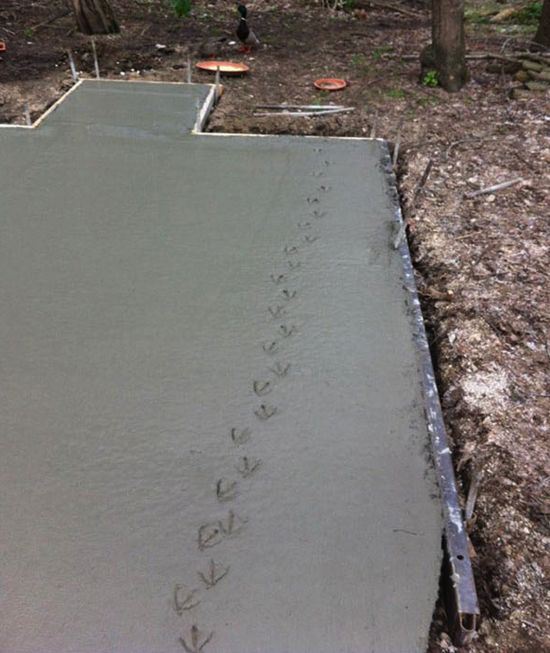
I don’t know what’s existing and neither do you, but it won’t be me that pays.  It’ll be you.

Projects that must refer to existing conditions are often riddled with notes declaring that all bidders have tacitly accepted responsibility for field verification of unknowable items.  These “gotcha” requirements are used in lieu of consultants making their own site inspection and designing accordingly.

Site inspections,  coordination meetings, and construction oversight are sometimes viewed as “add alternates” to the design package.  Clients often accept or decline these services based on their budget, schedule, and professional proclivities.  Clients pre-disposed to “hurry up” work can’t spare the time for consultants to fully fledge their designs.  Noteworthy examples are property managers pushing for Tenant Improvement projects that close the deal on a lease.

To the client, the savings in design fees and duration may appear worthwhile until the market pricing reflects the additional risk imposed by an incomplete design.  During market slumps, these clients use competitive bidding to flesh out the issues with the design which they ask bidders to solve.  Once they’ve got the answers, they incorporate them via addendum and put it back out to bid.

There’s no time to do it right the first time, but we’ll find time to do it again.

This “refine-design-by-bid” tactic initiates an unfortunate dynamic in the market.  Bidders who’ve invested in “helping” the client are rewarded with several costly rounds of bidding before the project goes to contract.  They know that rolling these expenses into their next proposal will all but guarantee a loss.  They also know that every answer they provide will be used to assist their competitors in arriving at a complete proposal.  Every round of bidding further diminishes the profitability of the project.  For some bidders the “solution” is to seek recompense in overpriced change orders.

This adversarial attitude angers clients who feel they invested heavily to see their project happen and feel exploited by greedy build teams.  Clients who’ve weathered this experience often arrive at the next bid with an enthusiastic commitment to pound out the issues before they sign another contract. Very rarely do they see the connection between “refine by bid” and overpriced change orders.

Perhaps the most frustrating observation to offer here is that the total pre-construction cycle on “hurry up” projects often end up matching the duration of having it properly designed in the first place.  Complete designs mitigate change orders, and bidding once restores profitability for the build team.  There’s more incentive to actually finish the job quickly when it’s clear the only profitable path is efficiency.   A critical aspect here is that clients need to comprehend that a request for proposal is supposed to be a commitment to actually hire the winning bidder.  Distorting the pre-construction process by eliciting free design help and  re-bidding is communicating a very one-sided  and unethical view of the Client-GC relationship.  It’s unreasonable to expect fair and ethical treatment when it’s not reciprocated.

Bringing this back to relationships it’s worth pointing out that departures from traditional responsibilities can’t and won’t happen without consequences.  Pushing off design responsibilities onto the build team will corrupt their relationships with the work and with each other. It also serves to alter the consultants relationship with the project in that they move away from taking responsibility for their design and move towards evading liability for every conceivable issue.  If consultants aren’t given sufficient time and opportunity to inspect existing site conditions, they tend to think there’s little alternative but to pass the buck.

Relationships and their place.  Push vs. Pull

Engineers haven’t been the same since we took the trains away from them…

Professional conduct

Much of the hijinks mentioned above is more prevalent during recessions than at other times.  Given the choice, most professionals would rather pursue legitimate work that offers sufficient time and opportunity to do a good job.  GC’s are by definition, subcontracting the bulk of the work they bid. Viewing the Construction Documents (CD’s) as a liability, many estimators believe their role is to ensure that every scope item is included in one of the subcontracts.  When the focus is exclusively covering your hind end, it’s easy to miss opportunities to better understand where the subcontractors are coming from.  Subcontractors bidding to notorious cowards will be reluctant to offer insights into how discrepancies in the plans may offer opportunities to win.

Opportunity may only knock once

GC estimators that don’t dig in and really make the effort to know what’s going on with a project are constantly caught flat-footed when subcontractors call with questions. Whether its incompetence, cowardice, or a lack of commitment, the result is the same; subcontractors will take their best ideas to wherever they’ll profit the most.  In practical terms that can mean competing GC’s will get better pricing or it could mean that subcontractors make tough decisions about how best to “play” the situation.

For example, I’ve encountered situations where subcontractors choose to take a chance on a scope discrepancy without telling the GC estimator because they had proven themselves to be unwilling and/or unable to take a measured risk. Since the subcontractor can’t rely on protection from the GC if their gambit doesn’t work, they hedge their bet by keeping a goodly portion of the potential savings.

Don’t be an obstacle to success

The GC estimator rolls into the bid carrying that subcontractor because they’re lower than their competitors but fails to fully capitalize on what that subcontractor relationship has to offer them.  The relationship becomes more about what the subcontractor can achieve despite the GC estimator than what the team can accomplish together.  It’s a short leap from not sharing the bounty achieved through special insight, to purposely working on deals to exploit weak GC estimators.  Subcontractors who view themselves as king-makers aren’t likely to be positive force in the market.  This is how they get their start.

“I don’t know what this is, what do I do?”

None of which is to say that a GC Estimator can’t rely upon their subcontractor relationships to help them with issues and scope items they don’t fully understand.  Skilled trades require an incredible amount of specialized knowledge that a GC estimator couldn’t be expected to possess.

There is however a difference between blind leadership, and taking the council of trusted allies.  The GC estimator should be consulting with trusted subcontractors on scope items they don’t understand with the goal of building a working knowledge of the issues involved.   It’s an odd thing but it’s often possible to change the dynamic of a bad relationship by asking for help in understanding what the other person is facing.   Be a good student and retain what you’ve learned to earn a reputation as a consummate professional.  Before long you’ll likely encounter a situation where you’re relating something you’ve learned to a bidder thereby re-paying the market for its investment in your education.  Keep that in mind the next time you hear a “dumb” question.

Once again, there’s greater benefit to all concerned when professionals actively seek out responsibility to pull the project forward rather than pushing responsibility for incomplete work down the line.

Civilization is in retreat because it’s become unfashionable to do the right thing.

Understanding the critical relationship between quality outcomes and individual professionalism at every stage is the metaphorical keystone supporting the project arch.   Every buck that’s passed get’s a “vig” tacked on and when the bill comes due (and it will) the project will pay.  It’s important to break from thinking of your task as being done in a small room with a door in and a door out.  What gets passed down the line matters.  Many projects with supernaturally bad design teams get built anyway.  Just because someone passed the buck to you, doesn’t mean you must pass it on in turn.  An estimator converts the nebulous construction documents into a real and enforceable, construction contract. Some Project Managers have a well-earned disdain for estimators who’ve bound them to build a disaster with a schedule and a budget. Don’t be that guy.

Actions have consequences, make certain that you are pulling in the right direction and that everyone “downstream” is as well.  Project Management needs to keep the promises made at the bid stage, and they need to ensure subcontractors hold up their end as well.  Otherwise subcontractors may again “game” the estimator knowing they can exploit Project Management once they’ve slipped past the bid stage.

What does the client care about?

An awful lot is put out about when to invest in this or that.  Terms like “Value” become little more than boardroom chaff.  In reality the client is very concerned with value, however what they value isn’t always so obvious.  Answering questions and making them feel good about their purchase may be contingent for a sale however it’s not what they THINK they’re paying for.  In fact, most of the talking, drawing, thinking, and demonstrating doesn’t really factor into their concept of what they’ve hired you to do.

What they see

To the client, actually making the thing is where the magic happens.  Those are the skills they imagine they’re paying you for.  Since they perceive your pre-construction time as “free” they indulge in every tangential thought that comes to mind.  During a project they perceive the job site to be chock-full of workers and materials so changing this or that seems easier than if they imagined that change as a separate job going out to bid.  Design teams are keenly aware that their mistakes, oversights, and mis-communications are costing time and money.  During construction the client typically views the design team more as an adviser and quality control enforcer than anything else.  GC’s’ are generally loath to expose design team shortcomings for fear of retribution.   Diplomatic efforts to price necessary change orders stemming from design shortfalls can devolve into bickering about cost legitimacy versus design integrity.

The client and design team camp may shake their heads at the gall of the build teams prices while the build team shares their exasperation with projects that are changing direction while the clock runs out.

The pattern of pushing project responsibility down the line without each tier pulling their own weight is the root cause.  Returning to the opening of this article; “Building relationships” need not be a vacuous and misdirected approach to success.  Clients are not in a position to actually know that decisions to short-change a fully developed design will cause the problems they sought to avoid by hiring a design professional if nobody has the courage to tell them so.

Relationships and their place.  Push vs. Pull

“Sure you’re attracting lots of attention, I’m just saying you might take a different route next time”

 Making mediocrity acceptable through placation, participation, and proliferation of stupidity is not “worth it if you get the job”.  Lowering standards and passing the buck are the stock in trade of hacks.  Blurring the line between hacks and pros from the clients perspective represents a strong deterrent to future business.

Be better, be honest, and don’t be afraid to speak up.

 It’s in everyone’s best interest to speak truthfully with the client.  Many incomplete designs are put to bid by design teams who are deeply (and silently) frustrated by the client’s miserly haste.  GC estimators often succumb to pressure from marketing and pre-construction directors to bid risky designs.  Pushing rather than pulling.  If instead the GC Estimator took the opportunity to present solutions before bidding, they might persuade the client to make changes that profoundly improve their odds of an ideal outcome.  At worst, the estimator could articulate the issues that could hurt the client, pulling them in the right direction.

Now it’s time to bring this all back to relationships.  In my experience, there’s a contingent of dubiously moral folks in the market who rely on “relationships” to cover or offset the fact that they’re neither a good value, nor a market leader.  They are “connected” and often use their connections to exploit or extort the industry.  It’s foolish and dangerous to allow these people to “do you a favor” because they’ll be sure to demand what you “owe” them.  Working around them will incur their wrath as well.  It’s bad business wherever they’re involved so pick your path with care.

At the opposite end of the spectrum are the people who are a veritable institution of good value, straight dealing, and integrity.  It’s a privilege to work with these rare individuals.  The sad truth is that they are rare no matter how common it is to read an advertisement extolling these virtues.  I hope this article has inspired you to choose that legacy for yourself.


For more articles like this click here

© Anton Takken 2014 all rights reserved


Why are we bidding this anyway?

Hard lessons on hard-bidding for the hard-headed.

Most estimators are working for someone else.  For simplicity’s sake I’ll refer to that person as the boss.  The boss often weighs in on pre-construction decisions to include what makes the bid list, what margins to carry, and what jobs they don’t want.  It’s their company and they call the shots.

As an estimator, you’re looking for low risk, high profit, easy wins to keep the company working.  That seems like something the boss would be after as well.  A lot of estimators end up wondering to themselves why it doesn’t always seem like it.

Everybody’s coming from somewhere

Entrepreneurs are remarkable people who see opportunity in adversity and often move in opposition to safe, secure, and easy ideas.  These traits help define why they’re successful and also explains why they’re often not…  The point here is that the opposition to an estimator’s priorities is a natural one.  They hired you to provide the counterpoint to their perspective, not that it’s a guarantee you’ll change their direction.

Why are we bidding this anyway?

Sure boss, I see exactly where you’re going with this…

What is the mission?

Despite repeated failures, the boss is pushing for yet another bid just like those before it.  Nothing’s changed and the outlook is bleak, why won’t the boss see the obvious?  Sometimes the answer is frustrating: the boss doesn’t have the same definition of success as you do.  Some bosses don’t view estimating as pre-construction so much as an amalgam of marketing, posturing, testing, and placating.  The endless marketing pitches about “building relationships” dissolve into playing head-games with the market.

Here are a couple of examples to illustrate how this can happen.

Imagine if you’d spent half a year getting on to a new clients bid list. You can hardly turn down the first invite when the job turns out to be a stinker. 

Going another direction, imagine you have a valued client who’s added a disreputable competitor to their bid list.  A good client will only need a few bad experiences before they reject disreputable firms.  Depending on how frequently they bid projects, you may have to lose several jobs before the client has learned their lesson.

What if your current market sector is shrinking?  A boss would need to find new sources of work which means trying out new things.  Not all sources of work will have the same profit margins so they might need to test the waters in several markets to see if regional differences change anything.  In effect they’re generating bid results.

Conversely, what if your market is expanding?  Does it make sense to chase work in new areas with local staff, or should a satellite office be opened?  Is there an existing subcontractor base capable of supporting the venture?

Planning for success      

Few companies have a corporate culture where the long-term planning is accurately and convincingly presented to the estimating staff.  A boss who views bidding as “turning the crank” on the estimating machine is unlikely to harbor much sympathy for anyone asking why they’re bidding bad jobs.  As an estimator you may not have much latitude on the decision-making but that’s not a reason to give up trying to improve the situation.  Bid results when presented properly can reveal constructive options that the boss may have overlooked.  Some estimators feel as though they must reflexively apologize for every lost bid. This fosters the notion that every bid was really an opportunity.  It should be obvious that many factors influence the likelihood of a profitable win. Unless all the jobs are literally the same, the odds must be different.  Learning to define, to accurately define what influences winning should be the cornerstone of your craft and the basis of your counsel. Be advised that excuses are not a substitute for knowledge or fact.  Some losses will be your fault and some wins will be too.  Credibility builds on honesty.

Getting to the wheelhouse

If you don’t have an impartial and informed insight, you can’t reasonably expect corporate planning to be shared with you.  Respect is often earned through consistently knowing what you’re talking about. Depending on the individuals involved, you might be able to help steer towards better opportunities once you understand where the boss wants to end up.  Understand that the people in charge may be reluctant to divulge their plan, especially when they lack one!  Go with caution.

Why are we bidding this anyway?

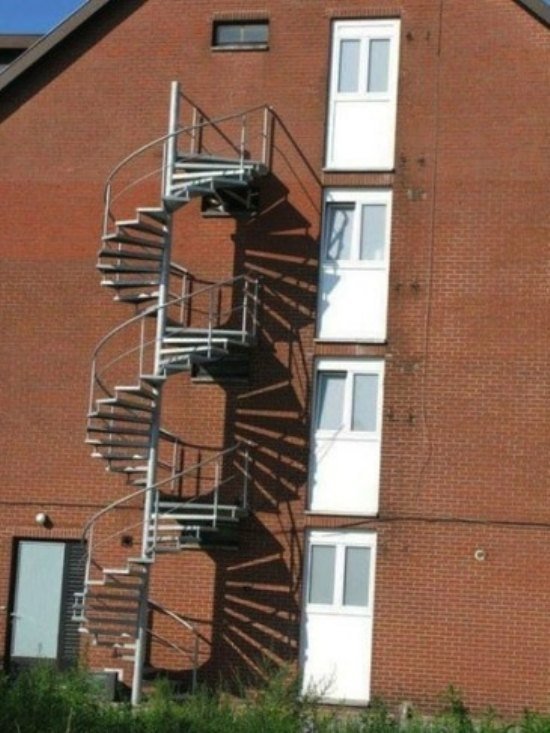
What you’ve gotta do is make sure everyone’s on the same level, then you’re home free.”

Learning by erosion

It’s a fact of life that some bosses are better than others.  Despite our dearest hopes to the contrary, sometimes life brings unqualified people to leadership positions.  The boss may have irrational, uninformed, emotional, and philosophical reasons to do something stupid and most of the time, it’s their right.  Estimators dealing with this frustration should take heart.  Incredibly hard-headed bosses can learn by erosion.  The Grand Canyon wasn’t carved in a day.  Erosion is slow but it’s sure.  To be effective, it’s important to understand that you’re seeking to avoid “I told you so” moments where you become the lightning rod for their frustration.  The goal should be to give a high level analysis of the situation including a survey of the project’s high and low points.  Try to deliver them in equal detail and enthusiasm but be sure to define how a stack up of low points creates a failure mode.

For example: “This job is a remodel of a very large building which means we’ll be busy for the next six months out there.  We’ve got strong competition on it so our number needs to be tight.  The design calls for a bunch of new roof top equipment and the architect put a note on the plans calling for us to field verify and design as needed.  There was no job walk or as-built drawings and the building’s currently occupied so we can’t just get in and see what we’re up against.  The client requires all bids on their forms which don’t allow for exclusions.  Our competitor did one just like this last month only it didn’t have the roof equipment and the note’s buried on an elevation drawing so they’ll probably miss it.  If we include money for engineering and structural support, we’ll surely lose.  If we bid without the structural revisions, we may win but we’ll have to pay for it leaving us stuck on an unprofitable job for half a year.”

The idea is to patiently explain how the influencing factors are pointing to bad outcomes. If the boss decides to pursue it anyway and it goes as you predicted, they’ll remember your insight even if they won’t give you credit.

Sometimes it’s not the bid that’s the problem, but the client.  Here’s another example.

Following the bid, the client sends additional pricing requests for items that were not on the plans claiming it’s necessary to make a snap decision.  It starts with one or two items, then grows to a long list of several items that the client wants priced separately.  After some delay the client calls and says that the project is over budget $X amount but that they “really need” all the items you’ve priced.  The client says they’re hoping you can “find savings” to hit their budget and do the extra work for free.

This is a textbook example of how unethical clients begin a job.  It’s been said that “you can’t change human nature, you can only change how you feel about it“.  Bid shopping is unethical and serves as an insight into the clients values.  These clients are telling you who they are, only the most  naive or foolhardy interpret this as anything but a promise to screw you over every chance they get. There are few guarantees in this world, but you may rely on this: a bid shopped job will eventually cost you money, and diminish the standing of your profession.

Nevertheless, your boss may elect to take that bait.  These are the jobs it behooves you to warn Project Managers about.  No change order work should be priced without documentation from the design team.  No additional work should be started until a signed change order has been physically produced.  Informalities and “trust me” moments cannot exist.  Any gap will hemorrhage losses with unscrupulous clients.

Teaching by evaporation

Some bosses stubbornly refuse to admit when one of their initiatives is failing.  A pattern emerges where the work isn’t profitable and there’s never enough of it.  The boss answers this by demanding more bidding of the same kind of work.  The estimator is putting in considerable hours fruitlessly landing a small percentage of terrible work.  This is like being knee-deep in a swamp where continued struggle only traps you further.

There are a few things to get clear on.  Number one: the swamp is killing your business. There is no opportunity and it’s consuming resources that could be successfully applied elsewhere.  Hard headed bosses who learn by erosion are often “swamp dwellers”.

Number two: You must find somewhere to be successful while you’re stuck in the swamp.

Why are we bidding this anyway?

Pro tip: STOP DIGGING!

Landing a low risk, profitable job, for a good client is like having the sun dry out the swamp.  The boss wants success – giving them something more likely to be successful is leading by example.  The difficultly about an exemplary action is that it’s really, really difficult to do.  Some bosses will be willing to concede to a pitch where you might say “hey instead of bidding swamp-thing, let’s try this job instead”.  It’s more likely they’ll allow you to bid swamp thing and the new thing.  This means you’re required to invest your own effort into your idea.  Uncool bosses will mercilessly undercut you if your idea doesn’t pan out.

Try anyway

A consummate professional rises above the challenge.  Your job is not only to bid jobs, your job may also be to protect your company (and your job) by performing above your pay-grade.  Life is long and you never know who’s watching.  You can be helping an unworthy boss and furthering your career.  It’s important to remember who you want to be regardless of where you are.

Remember that wherever you are on your way to the top, turds float.

Leadership

Poor morale can be like cancer to a company.  Dissent grows until it overtakes all motivation and positivity.  The economy won’t always be on your side and making headway can feel like you’re swimming against the tide.  A subtle feature of depression is that it saps motivation to change course which threatens its existence.  It’s a parasitic mindset that feeds off the status quo by believing everything would improve if only life were fair.

Life isn’t fair which is why market constructs are so complicated.  Contracts seek to protect parties from undesirable outcomes.  Which is another way to contain risk.  The risk eventually boils down to life not being fair.

An estimator must maintain perspective.  The unavoidable risk is why you’re there.  Make the most of the opportunities and lead with enthusiasm.  Act with wisdom and follow your conscience knowing that not every invitation to bid is an opportunity, not every win is a success, and not every job is a career.

Communication

There’s an old proverb that reads: “If you want to go fast, go alone.  If you want to go far, take a friend.”  Long term plans should be clear and inspiring to everyone.  Effectively communicating the long-term plan and the enthusiasm to everyone builds trust and commitment so the group moves in unison.

However when things are going wrong, a company can be like a stampeding herd. There are only two ways to affect the course of a stampede.  Be an immovable force like a mountain, a cliff, or the person who signs everyone’s checks.  The second, is to outrun the herd and make your path the one they want to follow.

In practical terms this means building a personal plan to bring new opportunities to the front.  Research what’s out there, who’s winning it, and how you can emulate their success with your firm.  This also means adding more bids to the workload as mentioned above.

Stay focused on fixing the situation through sound decision making and things will improve.

Why are we bidding this anyway?


For more articles like this click here

© Anton Takken 2014 all rights reserved